
Bali Retirement KITAS Requirements 2027: A Full Breakdown for Over 55s
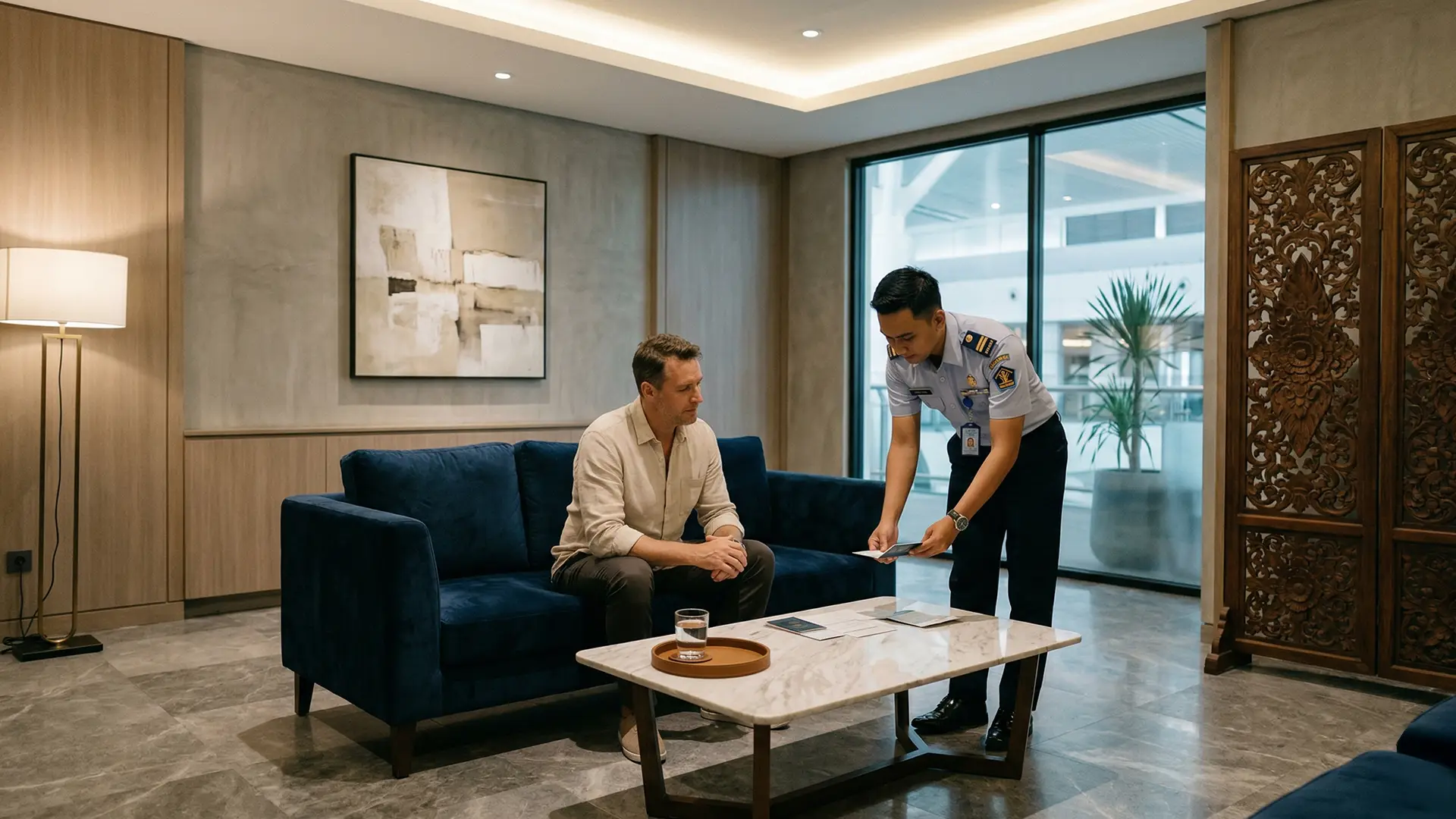
The Bali Retirement KITAS for 2027 requires applicants to be over 55, demonstrate financial self-sufficiency with a minimum monthly income or substantial bank balance, hold valid health and life insurance, and commit to not working in Indonesia. Specific document submission and sponsorship through a reputable agency are mandatory for successful processing.
Understanding the Bali Retirement KITAS Requirements 2027 for Expats Over 55
For individuals over 55 considering long-term residency in Bali, the Retirement KITAS (Kartu Izin Tinggal Terbatas) remains a popular and viable option for 2027. This visa category, officially known as the Visa Izin Tinggal Terbatas (VITAS) for Retirement, allows foreign nationals to reside in Indonesia without engaging in employment. application process for Bali relocation requirements for retirees in 2027 demands precision and an understanding of the updated regulations.
As of 2027, the Indonesian government continues to refine its immigration policies, with a particular focus on ensuring expatriates contribute positively to the local economy without competing for local jobs. The Retirement KITAS is specifically designed for those who can financially support themselves, making it an ideal choice for retirees. This guide outlines the essential criteria and how to get a retirement visa in Bali 2027, ensuring a smooth transition to island life.
Eligibility Criteria for the 2027 Retirement KITAS
The fundamental eligibility requirements for the Bali Retirement KITAS in 2027 for those aged 55 and over are straightforward but strict:
- Age Requirement: Applicants must be 55 years of age or older at the time of application. There are no exceptions to this rule.
- Financial Self-Sufficiency: This is a critical component. Applicants must prove they have sufficient funds to live in Bali without working. This typically involves demonstrating a pension or regular income of at least USD 1,500 per month, or a lump sum deposit of approximately USD 18,000 in an Indonesian bank account. Official bank statements or pension fund letters are required.
- Health and Life Insurance: Comprehensive health insurance valid in Indonesia and life insurance are mandatory. These policies must cover medical expenses and repatriation costs.
- Accommodation: Proof of accommodation for at least one year in Bali is required. This can be a rental agreement, lease, or proof of property ownership (if applicable, though foreign ownership of freehold land is restricted).
- Sponsorship: All Retirement KITAS applications require sponsorship by a local Indonesian agency or individual. This sponsor acts as a liaison with immigration authorities. Our firm specialises in providing reliable sponsorship services, ensuring all necessary paperwork is correctly submitted.
- No Employment: The Retirement KITAS strictly prohibits engaging in any form of paid employment in Indonesia. This includes remote work for foreign companies if the income is earned while physically present in Indonesia and subject to Indonesian tax law. For those considering digital nomad visa cost for 2027 remote workers in Bali, different visa categories apply.
- Domestic Helper: Applicants must commit to employing at least one Indonesian domestic helper. This is a condition intended to support the local economy.
The Application Process: Step-by-Step for Over 55s
Securing a Retirement KITAS in 2027 involves several key stages:
- Documentation Gathering: Collect all required personal, financial, and insurance documents.
- Sponsor Engagement: Appoint a reputable visa agency as your sponsor. They will guide you through the entire process and liaise with immigration.
- Pre-Approval (VITAS): Your sponsor will submit your application for a Visa Izin Tinggal Terbatas (VITAS) for Retirement to the Directorate General of Immigration in Jakarta.
- Visa Issuance: Once approved, an authorisation letter (TELEX) is issued. You will then apply for the physical VITAS sticker at an Indonesian Embassy or Consulate outside Indonesia. Many choose Singapore or Kuala Lumpur for this step.
- Arrival in Indonesia: Upon arrival, your VITAS will be converted into a KITAS at the local immigration office. This involves fingerprinting, photographs, and an interview.
- Local Registration: Complete local registrations, including the SKSKPS (Surat Keterangan Susunan Keluarga Penduduk Sementara) and STM (Surat Tanda Melapor) at the local police station and Banjar office. The Bali official banjar registration process for foreign landlords 2027 is also critical for those renting out property.
Financial Considerations and Tax Residency Rules 2027
Understanding the financial implications and tax residency rules is paramount for retirees. While the Retirement KITAS prohibits local employment, the 183-day tax residency rule Bali how to avoid worldwide income tax is a significant concern for many. Spending more than 183 days in Indonesia within a 12-month period generally establishes tax residency, potentially subjecting your worldwide income to Indonesian taxation. Proper tax planning and understanding double taxation agreements are crucial. We advise consulting with a tax professional experienced in Indonesian tax law to avoid unforeseen liabilities.
Accommodation and Lifestyle: Best Bali Neighborhoods
Choosing the right location is vital for a comfortable retirement. While Canggu remains popular, concerns about best Bali neighborhoods with low traffic gridlock risk 2027 are pushing many retirees towards quieter areas. Sanur, known for its calmer pace, beachfront promenade, and established expatriate community, is often favoured by over 55s. Ubud offers a cultural and spiritual retreat, though it is inland. Considerations like access to medical facilities, community activities, and daily amenities should guide your decision.
2027 Note
As 2027 approaches, anticipate continued emphasis on compliance and clear financial declarations from the Indonesian immigration authorities. The government’s focus is on attracting financially independent individuals who contribute to the local economy through consumption and investment, rather than those seeking employment. Staying informed about any minor regulatory shifts will be key to a successful application. We monitor all changes closely to provide the most current advice.
FAQ
What is the detailed list of documents required for a Bali retirement Kitas in 2027 for expats over 55?
For a Bali Retirement KITAS in 2027, expats over 55 must provide: a valid passport with at least 18 months’ validity and four blank pages, a copy of all passport pages, four passport-sized photographs (red background), a CV/resume, a statement of not working in Indonesia, proof of pension or sufficient funds (minimum USD 1,500/month or USD 18,000 lump sum bank statement), health insurance valid in Indonesia, life insurance with repatriation coverage, proof of accommodation for at least one year (rental agreement), a commitment to employ an Indonesian domestic helper, and a letter of sponsorship from a registered Indonesian visa agency.
How long does the Bali Retirement KITAS application process typically take in 2027?
The entire process, from initial document submission to receiving the physical KITAS, can take approximately 6-10 weeks. This timeframe can vary based on the efficiency of the immigration department, the completeness of your documents, and apply for the VITAS from within Indonesia (requiring a visa run) or from an overseas embassy.
Can I bring my spouse and dependants with me on a Retirement KITAS in 2027?
The Retirement KITAS is specifically for the individual retiree. While your spouse cannot be a dependent on your Retirement KITAS, they can apply for their own separate visa, typically a dependent KITAS sponsored by you, or a separate Retirement KITAS if they also meet the age and financial criteria. Children cannot be dependents on a Retirement KITAS; they would require a separate dependent KITAS sponsored by a parent who holds a different type of KITAS, or a student visa if enrolling in an Indonesian school.
For related needs in Bali, the same team also handles C5A visa guidance.
For related needs in Bali, the same team also handles bantuan visa Bali.