
The Ultimate Bali Relocation Guide 2026
Every aspect of the relocation process, from initial research through to your first three months settled on the island — updated monthly by our Bali-based team.
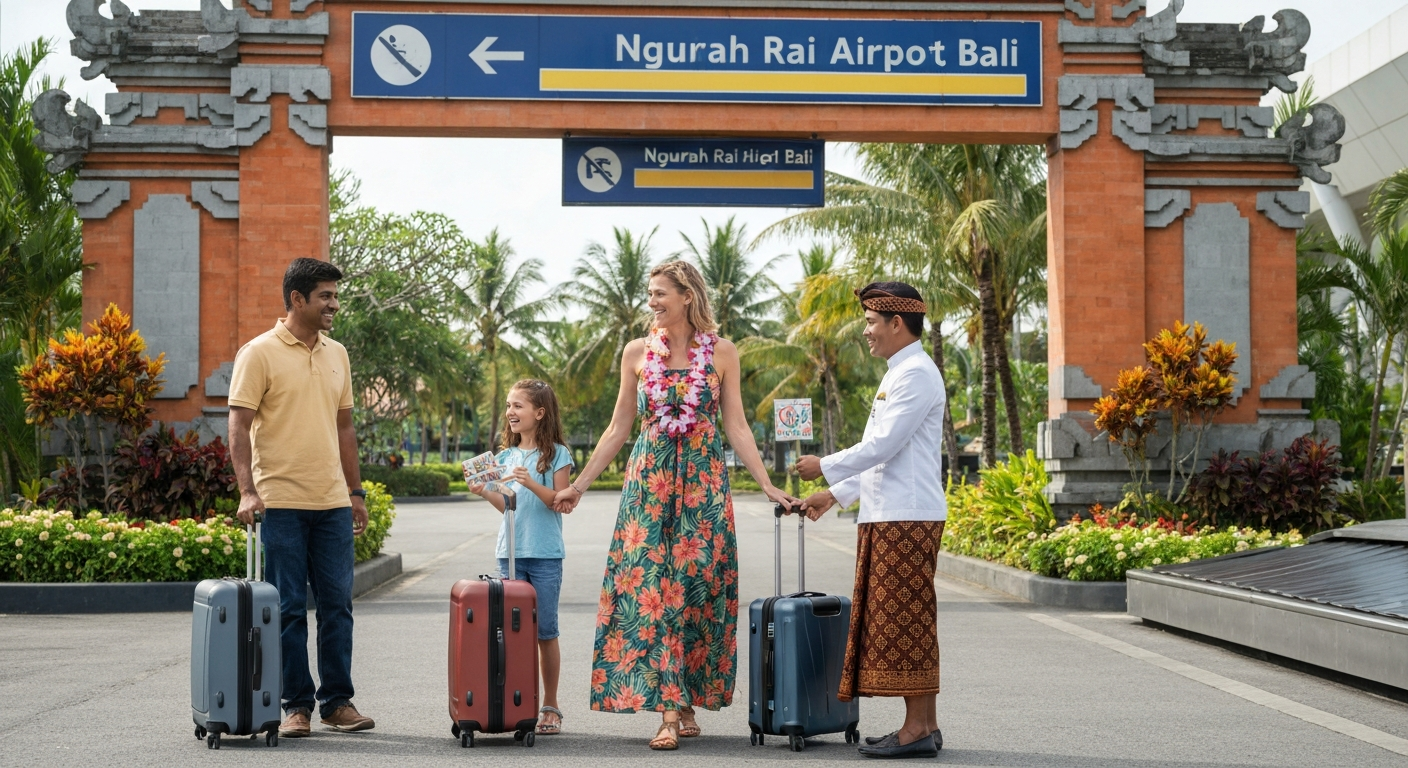
Everything You Need to Know About Moving to Bali in 2026
Moving to Bali is one of the most exciting and life-changing decisions you can make — but it also involves navigating a foreign bureaucracy, understanding a different legal system, managing international finances, and building a new life from scratch in a tropical environment vastly different from Western norms. This comprehensive guide covers every aspect of the relocation process from initial research through to your first three months settled on the island.
We’ve organized this guide into the chronological order you’ll actually experience these steps. Start with the big decisions (visa type, neighborhood, budget), move through pre-departure preparation (documents, shipping, financial setup), then cover arrival logistics (accommodation, banking, SIM cards), and finally address settling in (healthcare, community, daily routines).
This guide is updated monthly by our team of Bali-based relocation experts who collectively have over 30 years of experience living and working on the island. Every piece of advice is based on real client experiences and current 2026 regulations. If you want personalized guidance rather than self-directed research, our relocation packages provide end-to-end support tailored to your specific situation.
Core Relocation Steps
Visa & Immigration
B211A, KITAS, Digital Nomad Visa, Second Home — choose the right pathway. Processing takes 1-4 weeks depending on type.
Accommodation
Villas from $500-3,000/month depending on area. Pre-vet for internet speed, safety, and proximity to schools/hospitals.
Banking & Finance
Indonesian bank account, international transfers via Wise/OFX, credit card setup. Essential for daily life and bill payments.
The Four Decisions That Shape Everything
-
01
Choose Your Visa
Your visa determines everything else — how long you can stay, what you can legally do, and what documentation you need. For most first-time relocators, we recommend starting with the B211A visa. Critical warning: do not overstay your visa in Indonesia. Overstay penalties include daily fines, deportation, and potential entry bans.
-
02
Choose Your Neighborhood
Bali is small geographically but diverse in lifestyle. Our eight most popular expat areas are Canggu, Seminyak, Ubud, Sanur, Nusa Dua, Uluwatu, Jimbaran and Pererenan. Don’t commit to a long-term lease without visiting first if possible — many expats spend 2-4 weeks in short-term accommodation to explore different areas.
-
03
Budget and Financial Planning
Monthly costs vary dramatically: a single digital nomad in Ubud can live comfortably on $1,000-1,500/month, while a family in Seminyak might spend $3,000-5,000/month. Total initial setup costs typically run $3,000-8,000 for a single person or $5,000-15,000 for a family.
-
04
Healthcare and Insurance
BIMC Hospital (JCI-accredited), Siloam Hospital, and Kasih Ibu Hospital provide international-standard care. International health insurance covering Bali’s hospitals and medical evacuation to Singapore costs $150-350/month per person. Before relocating, obtain comprehensive medical records and 3-6 months of prescription medications.
Why Choose Bali Relocation
Step-by-Step Process
Follow our proven sequence: visa → area → budget → accommodation → banking → healthcare → lifestyle setup.
50-70% Lower Costs
Most expats report spending 50-70% less in Bali than their home country while enjoying a higher quality of life.
Expert Guidance Available
500+ successful relocations since 2019. Our packages handle everything from visa to villa to bank account.
Bali, neighbourhood by neighbourhood
Each area has its own character, price range and pace. Explore the full guides to find the one that matches your life.
Explore All Areas


Frequently Asked Questions
5 questions answered
01How long does it take to relocate to Bali?
With professional assistance, 2-8 weeks from initial consultation to fully settled. Digital nomads with B211A visa: 2 weeks. Families with KITAS and school placement: 4-6 weeks. Business setup with PT PMA: 6-8 weeks. The timeline depends on visa type, family complexity, and preparation level.
02Can I work remotely from Bali legally?
Yes, but you need the correct visa. Tourist visas do not legally permit remote work. The B211A social visa is commonly used by remote workers, and the Digital Nomad Visa (E33G) was specifically created for this purpose with tax benefits. Our visa team recommends the optimal pathway for your situation.
03What documents do I need to relocate to Bali?
Essential documents: valid passport (minimum 12 months validity), visa application documents (varies by type), passport-sized photos, health insurance certificate, financial proof (bank statements or pension documents), and any specific documents for your visa category. We provide a complete document checklist customized to your visa type during the consultation.
04Is Bali safe for expats?
Bali is very safe for expats. Violent crime against foreigners is extremely rare. The main safety considerations are road traffic (motorbike culture requires careful attention), petty theft (bag snatching), natural disasters (earthquakes, volcanic activity — rare but real), and tropical health concerns. Overall, most expats feel safer in Bali than in their home countries.
05Do I need to speak Indonesian?
Not essential, but helpful. English is widely spoken in tourist and expat areas. However, learning basic Bahasa Indonesia dramatically improves daily interactions, helps you negotiate better prices, and earns genuine appreciation from locals. Most expats pick up conversational Indonesian within 3-6 months of living on the island.