
Digital Nomad Life Bali Pros, Cons & Emerging Trends for 2027
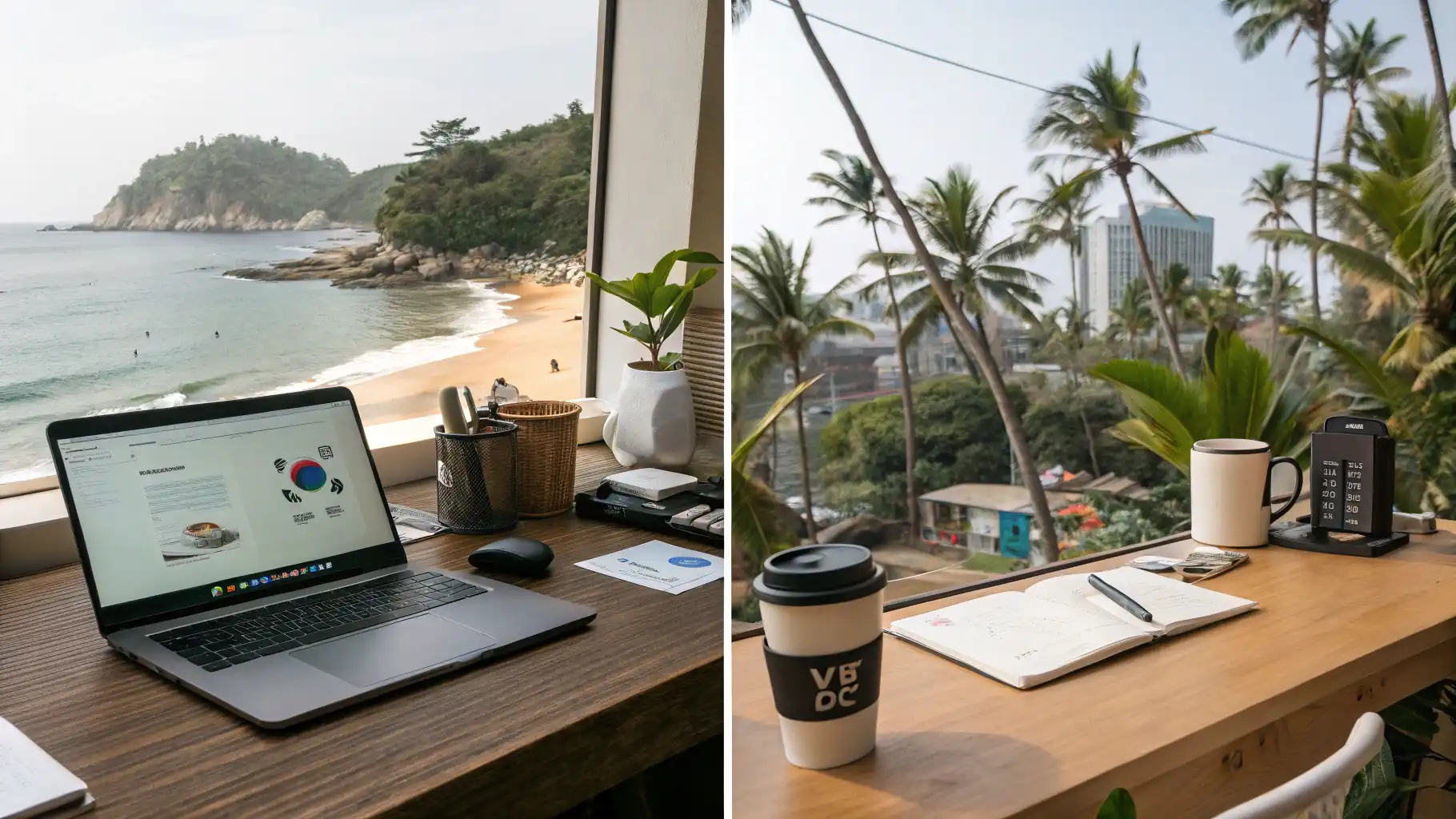
Digital nomad life in Bali for 2027 presents a refined balance of opportunity and regulatory adherence. Pros include a robust digital nomad community and an appealing lifestyle; cons involve increasing living costs and tightened visa and tax regulations. Emerging trends highlight a move towards more structured, compliant residency.
Digital Nomad Life Bali: Pros, Cons & Emerging Trends for 2027
Bali continues to captivate digital nomads, yet the landscape for 2027 shows significant evolution. As regulations tighten and infrastructure adapts, understanding the nuances of relocation is more critical than ever. This guide details the advantages, disadvantages, and emerging trends for those considering Bali as their remote work base in 2027.
The Advantages of Digital Nomad Life in Bali 2027
Despite the changes, Bali retains compelling benefits for remote workers.
- Vibrant Community and Networking: The Bali digital nomad community 2027 remains strong, offering networking opportunities and social connections. Collaborative spirit thrives in various co-working spaces, fostering both professional and personal growth.
- Lifestyle Appeal: The island’s relaxed pace, rich culture, and natural beauty continue to be primary draws. Access to outdoor activities, wellness pursuits, and a generally lower cost of living compared to Western cities (though increasing) are significant advantages.
- Improved Infrastructure: While traffic remains a concern, ongoing infrastructure projects aim to alleviate some pressure. Reliable internet access is widely available, supporting remote work effectively.
- Specialised Visa Options: The E33G digital nomad visa cost for 2027 remote workers in Bali is now a clear, established pathway, providing a legal and stable residency option for those earning income from outside Indonesia. This clarity reduces uncertainty for long-term settlers.
The Disadvantages and Challenges for 2027
Prospective digital nomads must also consider the growing complexities.
- Regulatory Compliance: The 183-day tax residency rule Bali how to avoid worldwide income tax is a critical concern. Indonesian tax authorities are increasingly scrutinising foreign income, making professional advice on tax residency avoidance essential. Understanding PT PMA blocked KBLI codes update Bali 2027 for real estate investors is also crucial for those looking to engage in local business or investment, as certain sectors are now restricted to foreign ownership.
- Cost of Living Increases: While still affordable compared to many Western countries, the cost of living in Bali is rising. Rent, particularly in popular areas, has seen significant increases, impacting budgeting.
- Infrastructure Strain: Predicted 2027 traffic collapse concerns mean that finding best Bali neighborhoods with low traffic gridlock risk 2027 is a priority. Areas like Canggu vs Sanur for first-time expats with pets 2027 offer different experiences, but traffic mitigation is now a key factor in choosing a residence.
- Banking and Bureaucracy: How to open BCA bank account for KITAS holders in Bali 2027 remains a common friction point, requiring patience and correct documentation. The Bali official banjar registration process for foreign landlords 2027 is another administrative step often overlooked by new arrivals, but mandatory for compliance.
Emerging Trends in Bali’s Digital Nomad Scene 2027
The digital nomad landscape is dynamic, with several trends shaping the experience for 2027.
Focus on Compliance and Long-Term Residency
There’s a noticeable shift from short-term tourist visas to long-term, compliant residency via visas like the E33G KITAS. This reflects both regulatory tightening and a desire among nomads for greater stability. For families, Bali relocation packages for families with school-age children 2027 are increasingly sought after, indicating a trend towards more permanent family settlement rather than transient stays.
Diversification of Residential Areas
With congestion in traditional hotspots, demand for quieter, more accessible locations is rising. Areas known for lower traffic gridlock risk are gaining popularity, and services are adapting to cater to these new zones. The appeal of the Bali wet season relocation guide November to March 2027 also points to a strategic approach to avoid peak season crowds and costs.
Specialised Co-Working and Community Spaces
The best co-working spaces Bali 2027 are evolving beyond basic desks to offer specialised amenities, networking events, and even compliance support. These spaces are becoming central hubs for the Bali digital nomad community 2027, fostering innovation and collaboration while helping individuals navigate local regulations. For those considering a move, understanding the intricacies of securing appropriate housing and visas is paramount.
Growth in Niche Nomad Demographics
The Retirement KITAS Bali requirements age 55+ 2027 costs are attracting an older demographic seeking a peaceful retirement with the option for remote engagement. This signifies an expansion beyond the typical younger digital nomad, broadening the community’s diversity.
Strategic Relocation Planning
With increased complexity, more individuals are engaging professional relocation services to navigate visa applications, banking, housing, and local registrations efficiently. This proactive approach minimises common pitfalls and ensures a smoother transition.
2027 Note: The regulatory environment in Bali is expected to mature further. Proactive engagement with official processes, such as visa renewals and tax declarations, will be key to a successful and stress-free long-term stay. The emphasis will be on formalising one’s presence rather than operating in legal grey areas.
FAQ
What new trends are emerging in Bali’s digital nomad scene for 2027?
Emerging trends for Bali’s digital nomad scene in 2027 include a strong emphasis on visa and tax compliance, a diversification of popular residential areas to mitigate traffic, and an increase in specialised relocation services to navigate the more complex regulatory landscape.
How can digital nomads prepare for the 183-day tax residency rule in Bali for 2027?
To prepare for the 183-day tax residency rule in Bali for 2027, digital nomads should seek professional advice on Indonesian tax law, accurately track their days spent in Indonesia, and consider structuring their finances to avoid triggering worldwide income tax obligations, particularly for high-net-worth individuals.
What are the key considerations for families relocating to Bali with school-age children in 2027?
Key considerations for families relocating to Bali with school-age children in 2027 include researching Bali relocation packages tailored for families, identifying neighborhoods with low traffic gridlock risk near international schools, and understanding the process for securing family-specific visas such as the E33G KITAS for all members.